
Live strong. Eat wise. Feel alive
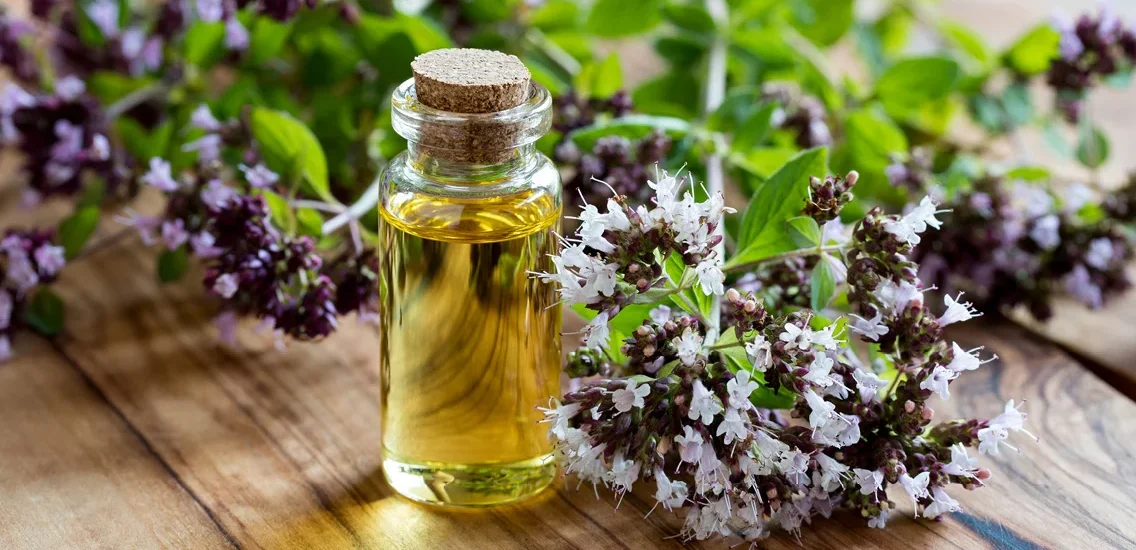
Walk into any natural health circle, and you’ll hear oregano oil called “nature’s antibiotic.”
People use it for sore throats, toenail fungus, gut infections, and even COVID prevention. Some swear it saved them from a sinus infection without a doctor visit. Others say it burned their mouth and did nothing.
Who’s right?
Here’s the truth: oregano oil is powerful. Maybe too powerful for casual use. Unlike drinking oregano tea or eating Italian seasoning, oregano oil is highly concentrated. It can help you – or hurt you if misused.
This guide gives you the real, no-BS breakdown. What it actually does, what it doesn’t do, and how to use it without wrecking your gut or burning your throat.
Not the same as the dried oregano in your spice cabinet.
Oregano oil is a concentrated extract made from the leaves and flowers of wild oregano (Origanum vulgare). It takes about 1,000 grams of fresh oregano to make a single 10ml bottle of oil.
The two active compounds that matter:
| Compound | Percentage in Oil | What It Does |
| Carvacrol | 50–80% | Strong antimicrobial, fights bacteria and fungi |
| Thymol | 5–15% | Antifungal, immune-supporting (also in thyme oil) |
Important: Not all oregano oil is equal. Cheap brands may have low carvacrol levels. You want minimum 70% carvacrol for therapeutic effects.
Pharmaceutical antibiotics usually target one specific bacterial mechanism. Oregano oil does something different: it attacks multiple structures at once.
Research shows carvacrol can:
This multi-target approach is why bacteria may not become resistant to oregano oil as quickly as they do to prescription antibiotics.
But here’s the catch: Oregano oil is not selective. It kills bad bacteria and good bacteria. This is crucial to understand (more on that later).
Lab studies are impressive. Oregano oil kills:
Human studies are fewer but promising. One 2000 study found that oregano oil reduced parasite infections (Blastocystis hominis) in humans better than prescription drugs.
Real-talk verdict: Works in lab. Promising for gut infections. Not a replacement for emergency antibiotics.
Oregano oil is genuinely strong against fungi.
A 2016 study found that oregano oil inhibited Candida albicans (the fungus responsible for yeast infections, oral thrush, and some gut issues). In some cases, it worked as well as fluconazole (a common antifungal drug).
For toenail fungus: applying oregano oil topically (diluted) for 4–8 weeks shows improvement in anecdotal reports. Human studies are limited but positive.
Real-talk verdict: One of the better natural antifungals. Works for mild-to-moderate cases.
This is the most common use – and it makes sense.
When you feel a scratchy throat coming on, oregano oil’s antimicrobial properties may reduce bacterial load before it multiplies.
A 2021 study found that a combination of oregano oil and other herbal extracts reduced cold symptoms faster than placebo. But oregano oil alone? Mixed evidence.
How to use: Dilute 1–2 drops in water and gargle (do NOT swallow undiluted – we’ll cover this). Do not use more than 5 days in a row.
Real-talk verdict: Helpful early. Not a cure for strep or flu.
This is where oregano oil gets serious attention.
SIBO (bacterial overgrowth in the small intestine) is often treated with rifaximin (an antibiotic). Small studies show that enteric-coated oregano oil may be equally effective for certain types of SIBO.
A 2014 pilot study found that 75% of SIBO patients improved with enteric-coated oregano oil (compared to 80% with rifaximin).
Huge caveat: This used enteric-coated oregano oil, which passes through the stomach and releases in the intestines. Regular oregano oil can burn your stomach lining.
Real-talk verdict: Real potential, but work with a doctor. Do not self-treat SIBO with random oregano oil.
Carvacrol has shown anti-inflammatory properties in animal studies, reducing:
Human evidence is thin. But traditional use supports oregano oil for arthritis and asthma – though modern doctors would not recommend it for these conditions without more research.
Real-talk verdict: Possibly helpful as an adjunct, not a primary treatment.
Diluted oregano oil applied topically can help with:
A 2016 study showed oregano oil cream reduced skin infection severity in mice. Human studies are limited, but dermatologists sometimes recommend it for resistant fungal infections.
Critical rule: Always dilute. Always patch test first.
Oregano oil is potent. Treat it with respect.
| Side Effect | Severity | How Common | What to Do |
| Mouth/throat burning | Moderate | Very common if undiluted | Always dilute in carrier oil or water |
| Stomach upset | Mild to moderate | Common | Take with food or stop |
| Diarrhea | Mild | Common | Reduce dose or stop |
| Gut dysbiosis (killing good bacteria) | Moderate | Very common with long use | Limit to 7–10 days max |
| Allergic reaction (rash, swelling) | Severe | Rare | Stop immediately, see doctor |
| Drug interactions (blood thinners, diabetes meds) | Severe | Rare but real | Consult doctor before use |
Do not take oregano oil internally (by mouth) if:
| Condition | Why |
| Pregnancy or breastfeeding | May stimulate uterine contractions |
| Upcoming surgery | May slow blood clotting |
| Liver or kidney disease | Concentrated oils stress these organs |
| Iron deficiency | Oregano oil may reduce iron absorption |
| On blood thinners (warfarin, aspirin) | Theoretical bleeding risk |
| On diabetes medication | May lower blood sugar too much |
| Purpose | Dosage | Duration | Form |
| Sore throat/cold | 1–2 drops in water, gargle | 3–5 days | Non-enteric |
| Gut infection/SIBO | 100–200mg enteric-coated | 4–6 weeks | Enteric-coated capsules |
| General immune boost | 1 drop in oil, swallowed | 1 week max | Mixed with carrier oil |
The critical rule: Never take undiluted oregano oil by mouth. Dilute in:
| Condition | Dilution | Application |
| Toenail/foot fungus | 1 drop oregano : 1 tsp coconut oil | Apply twice daily for 2–4 weeks |
| Cold sores | 1:5 dilution (1 drop + 1/2 tsp carrier oil) | Apply at first tingle, avoid lips inside mouth |
| Athlete’s foot | 1:3 dilution | Apply after shower, dry thoroughly first |
Add 2–3 drops to a bowl of hot water. Cover head with towel, inhale steam for 5 minutes. Do not get oil in eyes.
| Factor | Oregano Oil | Prescription Antibiotics |
| Kills bacteria | Yes (broad spectrum) | Yes (targeted or broad) |
| Kills good bacteria | Yes, significantly | Yes (most do) |
| Resistance risk | Lower (multi-target) | Higher (single-target) |
| Human evidence | Moderate, small studies | Extensive, large trials |
| Regulation | No FDA oversight | Strict FDA regulation |
| Consistency between brands | Huge variation | Standardized |
| Risk of burning/damage | High if misused | Low (except allergies) |
Real-talk bottom line: Oregano oil is not a replacement for antibiotics in serious infections (strep throat, pneumonia, sepsis, kidney infection). For minor issues? Reasonable first-line for some people. For life-threatening infections? Go to the hospital.
Most cheap oregano oil is worthless. Here’s what to look for:
| What to Check | Why |
| Carvacrol concentration ≥70% | Lower percentages are weak |
| Wild oregano (Origanum vulgare) | Some products use thyme or marjoram |
| Organic certification | Pesticides concentrate in oils |
| Third-party tested (USP, NSF, or COA from lab) | Ensures purity |
| Glass bottle with dropper | Plastic degrades the oil |
| Enteric-coated (for gut use) | Protects stomach |
Brands to consider: Zane Hellas, North American Herb & Spice, Gaia Herbs, NOW Foods (for budget).
Avoid: Amazon “best seller” oils under $10. You’re buying diluted olive oil with oregano flavoring.
No. It will burn your gums severely. If you want to try for tooth pain, dilute 1 drop in 1 tsp coconut oil and swish (do not swallow). But see a dentist. Tooth infections can become serious quickly.
Most people notice relief within 24–48 hours. If no improvement after 3 days, see a doctor. You may need antibiotics for strep throat.
No. This is dangerous advice floating on social media. Long-term daily use kills your gut microbiome and can cause liver stress. Use only for acute issues, 1–2 weeks max, then stop.
Generally no. Children’s gut linings are more sensitive. Even diluted, the risk of burning or GI distress is high. For kids’ colds, use oregano-infused olive oil (not concentrated oil) or consult a pediatrician.
No. Cooking destroys carvacrol and makes the oil harsh. Use dried oregano for cooking. Save the oil for therapeutic use only.
Nothing – they’re the same. “Oil of oregano” is marketing. “Oregano essential oil” is the correct term. Both are highly concentrated and require dilution.
Oregano oil is not a toy. It’s not a daily supplement. And it’s definitely not something you should chug because a wellness influencer said so.
But used correctly – short term, properly diluted, for the right condition – it is one of the most effective natural antimicrobials on the planet.
The safe use checklist:
If you follow those rules, oregano oil can be a powerful tool in your natural medicine cabinet. If you don’t, you’ll learn the hard way – and your throat will burn for hours.
Choose wisely.