
Live strong. Eat wise. Feel alive

You’re busy. I get it.
Work. Kids. errands. Life. Finding an hour to exercise feels impossible some days.
Here’s the good news: you don’t need an hour.
HIIT High-Intensity Interval Training can give you better results in 15–20 minutes than an hour of steady-state cardio. It’s efficient, effective, and backed by decades of science.
But HIIT is also misunderstood. Many people think “any workout that makes me sweat” is HIIT. It’s not. True HIIT has specific rules, and doing it wrong leads to burnout, injury, or wasted time.
This guide gives you the real, no-BS breakdown of HIIT: what it actually is, how to do it safely, 5 workouts you can do at home, and why more isn’t always better.
HIIT alternates between:
| Phase | Intensity | Duration | Effort Level (1–10) |
| Work interval | Maximum effort | 15–60 seconds | 8–10 (near all-out) |
| Rest interval | Low effort or complete rest | 15–90 seconds | 2–3 (easy recovery) |
You repeat this cycle 4–10 times. Total workout time: 10–25 minutes.
Example: Sprint for 30 seconds. Walk for 60 seconds. Repeat 8 times. Done.
That’s HIIT.
| Misconception | Truth |
| “Any workout with intervals is HIIT” | No. Intervals must be high intensity near maximum effort. |
| “I do HIIT on the elliptical for 45 minutes” | Impossible. You cannot maintain true HIIT for 45 minutes. That’s just interval training. |
| “HIIT is the only cardio you need” | No. Steady-state cardio has benefits HIIT can’t replace (recovery, aerobic base). |
| “HIIT burns fat for hours after” | Yes, but the effect is small (50–100 extra calories). Don’t overhype it. |
After HIIT, your body continues burning calories at an elevated rate for 1–24 hours. This is called excess post-exercise oxygen consumption (EPOC).
| Workout Type | EPOC Duration | Extra Calories Burned |
| Steady-state cardio | 1–2 hours | 20–40 calories |
| HIIT | 6–24 hours | 50–150 calories |
Real-talk verdict: The afterburn effect is real but small. It’s not magic. It won’t make you lose weight without a calorie deficit. But it’s a nice bonus.
HIIT improves your body’s ability to use fat for fuel but not in the way you think. During HIIT, your body burns mostly carbohydrates (glycogen). The fat-burning happens after the workout (EPOC) and over time as your metabolism adapts.
Bottom line: Don’t worry about “fat-burning zones.” HIIT works for fat loss through total calorie burn and metabolic adaptations.
Unlike long, slow cardio, HIIT preserves (and can even build) muscle especially in the lower body. Sprints, squats, and jumps recruit fast-twitch muscle fibers, which are the most responsive to growth.
| Person | Why |
| Busy people | 15–20 minutes is enough |
| Those who plateaued on steady-state cardio | Shocks the system |
| People who hate long cardio sessions | Short and intense feels different |
| Athletes | Improves power and anaerobic capacity |
| Person | Why |
| Complete beginners (less than 3 months of regular exercise) | High injury risk. Start with steady-state cardio first. |
| People with heart conditions | Sudden intense exertion can be dangerous. Get doctor approval. |
| Those with joint problems (arthritis, knee issues) | High-impact HIIT (jumping, sprinting) aggravates joints. Low-impact HIIT (swimming, cycling) is fine. |
| Anyone recovering from injury | Wait until fully healed and cleared by a professional. |
| People who can’t monitor their own intensity | Pushing too hard leads to injury or burnout. |
Rule of thumb: If you can’t comfortably jog for 20 minutes without stopping, build your aerobic base first. Then add HIIT.
| Rule | Why |
| Warm up for 5–10 minutes | Cold muscles + max effort = injury. Do light cardio and dynamic stretches. |
| Start with longer rest | 1:2 or 1:3 work-to-rest ratio (e.g., 20 seconds work, 60 seconds rest) |
| Don’t do HIIT more than 3x per week | Your nervous system needs recovery. More is not better. |
| Listen to joints, not just muscles | Joint pain is a stop signal. Muscle fatigue is fine. |
| Cool down for 5 minutes | Light movement and stretching. Don’t stop abruptly. |
| Progress slowly | Add intervals or shorten rest before increasing intensity. |
Signs you’re doing HIIT too often:

| Interval | Work (sec) | Rest (sec) | Exercise |
| 1 | 20 | 60 | March in place (warm-up) |
| 2 | 20 | 60 | High knees (slow) |
| 3 | 20 | 60 | Butt kicks |
| 4 | 20 | 60 | Jumping jacks (moderate) |
| 5 | 20 | 60 | Rest |
| 6–10 | 20 | 60 | Repeat rounds 1–5 at higher intensity |
| 11 | 20 | 60 | Cool down (walk in place) |
Total work: 4 minutes | Total time: 15 minutes
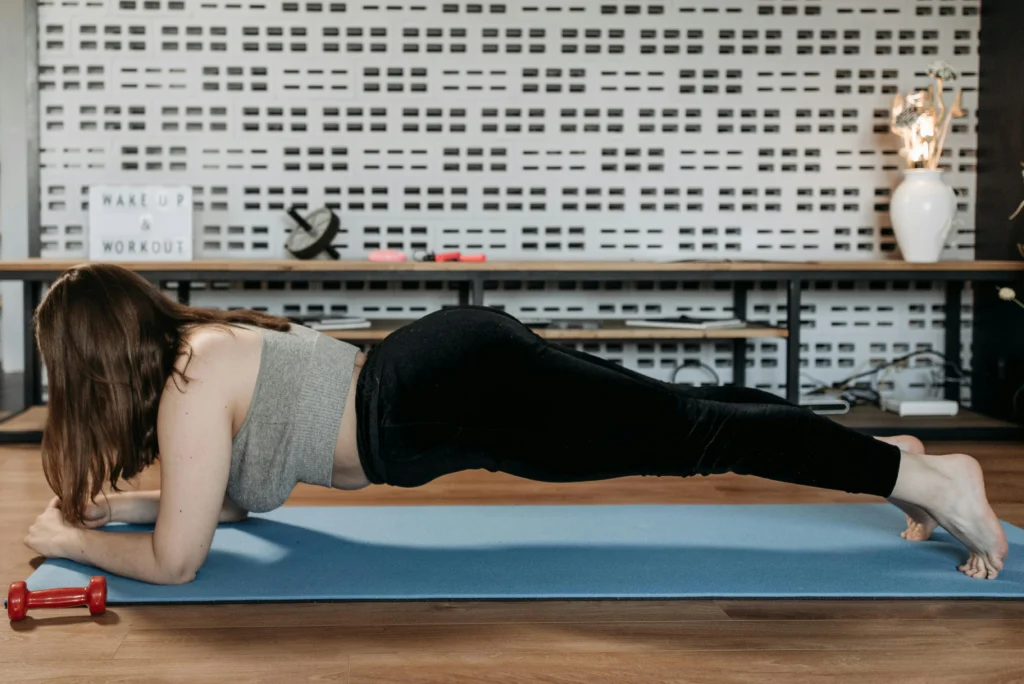
| Round | Work (sec) | Rest (sec) | Exercise |
| 1 | 30 | 30 | Jumping jacks |
| 2 | 30 | 30 | Bodyweight squats |
| 3 | 30 | 30 | Mountain climbers |
| 4 | 30 | 30 | Plank jacks |
| 5 | 30 | 30 | Rest (60 sec) |
| 6 | 30 | 30 | High knees |
| 7 | 30 | 30 | Lunges (alternating) |
| 8 | 30 | 30 | Burpees (or half-burpees) |
| 9 | 30 | 30 | Bicycle crunches |
| 10 | 30 | 30 | Rest (60 sec) |
Repeat rounds 1–10 if you want a second set (advanced only).
Total work: 9 minutes | Total time: 20 minutes
Modifications:
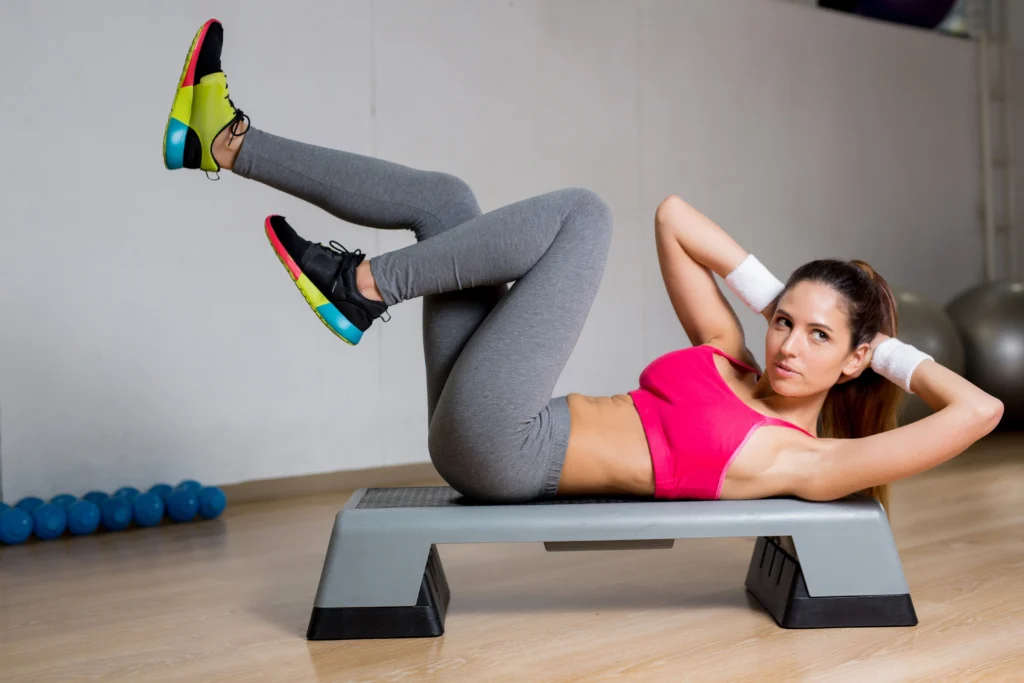
No jumping. Easy on knees.
| Round | Work (sec) | Rest (sec) | Exercise |
| 1 | 30 | 30 | Step jacks (touch floor side to side) |
| 2 | 30 | 30 | Bodyweight squats |
| 3 | 30 | 30 | Reverse lunges |
| 4 | 30 | 30 | Standing oblique crunches |
| 5 | 30 | 60 | Rest |
| 6 | 30 | 30 | High knees (slow, no jump) |
| 7 | 30 | 30 | Glute bridges |
| 8 | 30 | 30 | Side lunges |
| 9 | 30 | 30 | Toe taps (front and side) |
| 10 | 30 | 30 | Rest |
Total time: 18 minutes

Best for fat loss and leg power. Requires open space.
| Interval | Work (sec) | Rest (sec) | Activity |
| Warm-up | 300 (5 min) | — | Light jog |
| 1 | 20 | 60 | Sprint (80% effort) |
| 2 | 20 | 60 | Walk |
| 3 | 20 | 60 | Sprint |
| 4 | 20 | 60 | Walk |
| 5 | 20 | 60 | Sprint |
| 6 | 20 | 60 | Walk |
| 7 | 20 | 60 | Sprint |
| 8 | 20 | 60 | Walk |
| 9 | 20 | 60 | Sprint |
| 10 | 20 | 60 | Walk |
| Cool-down | 300 (5 min) | — | Light jog to walk |
Total time: 18 minutes (plus warm-up/cool-down)
Progression: Increase sprint duration to 30 seconds, or decrease rest to 45 seconds.
Tabata is a specific form of HIIT: 20 seconds work, 10 seconds rest, repeated 8 times (4 minutes total).
Choose one exercise per Tabata round:
| Exercise | Focus |
| Jump squats | Legs + power |
| Burpees | Full body |
| Mountain climbers | Cardio + core |
| Kettlebell swings (if you have one) | Posterior chain |
Sample Tabata workout (16 minutes total):
| Round | Exercise | Time |
| 1 | Jump squats | 4 min (8 intervals) |
| Rest | 1 min | |
| 2 | Burpees | 4 min |
| Rest | 1 min | |
| 3 | Mountain climbers | 4 min |
| Rest | 1 min | |
| 4 | Rest or repeat one round | — |
Warning: Tabata is brutal. Do not start here if you’re new to HIIT. Build up with longer rest periods first.
| Factor | HIIT | Steady-State (e.g., jogging) |
| Time efficiency | Excellent (15–20 min) | Moderate (30–60 min) |
| Fat loss (per minute) | Higher | Lower |
| Fat loss (per session) | Similar (because shorter) | Similar |
| Muscle preservation | Better (especially lower body) | Worse (can burn muscle in deficit) |
| Cardiovascular benefits | Improves both anaerobic and aerobic | Improves aerobic only |
| Recovery need | High (48–72 hours) | Low (24 hours) |
| Injury risk | Higher (especially for beginners) | Low |
| Suitable for daily training | No (2–3x per week max) | Yes (5–6x per week) |
Real-talk verdict: Do both. Use HIIT 2–3x per week for efficiency and power. Use steady-state cardio 2–3x per week for recovery and aerobic base. Don’t choose one exclusively.
| Day | Cardio Type | Duration |
| Monday | HIIT (full body) | 20 minutes |
| Tuesday | Steady-state walk or jog | 45 minutes |
| Wednesday | Strength training (no cardio) | — |
| Thursday | HIIT (sprints or low-impact) | 18 minutes |
| Friday | Steady-state cycling or swim | 40 minutes |
| Saturday | Active recovery (walk, hike) | 30–60 minutes |
| Sunday | Rest | — |
| Mistake | Why It’s Bad | Fix |
| Not going hard enough | You’re doing interval training, not HIIT | Work intervals should feel 8–9/10 effort. You shouldn’t be able to talk. |
| Going too hard (vomiting, dizziness) | Dangerous. Overtraining. | Dial back to 7–8/10. You should be winded, not sick. |
| Doing HIIT every day | CNS fatigue, injury risk, poor recovery | Max 3x per week. |
| Skipping warm-up | Injury risk | 5–10 minutes minimum. |
| Too much rest (or too little) | Too much = less benefit. Too little = poor performance. | Start 1:2 ratio (30 work : 60 rest). Progress to 1:1 or 2:1. |
| Using poor form | Injury, reduced effectiveness | Prioritize form over speed. Slow down if form breaks. |
| Method | How It Works | Target |
| Talk test | Can you speak? | During work: No (0–1 words max) |
| Rate of Perceived Exertion (RPE) | 1–10 scale (1=rest, 10=all-out) | 8–9 during work |
| Heart rate | Max HR = 220 – age | 80–95% of max HR during work |
Example (30-year-old): Max HR = 190. Target work HR = 152–180 bpm.
Note: Heart rate monitors are helpful but not required. Talk test is free and accurate enough.
| Week | Work (sec) | Rest (sec) | Rounds | Work-to-Rest Ratio |
| 1–2 | 20 | 60 | 6 | 1:3 |
| 3–4 | 20 | 50 | 7 | 1:2.5 |
| 5–6 | 20 | 40 | 8 | 1:2 |
| 7–8 | 30 | 45 | 6 | 1:1.5 |
| 9–10 | 30 | 30 | 8 | 1:1 |
| 11–12 | 40 | 30 | 6 | 1.3:1 |
Alternative progression: Keep same intervals but increase intensity (faster sprints, higher jumps, deeper squats).
| Body Weight | Calories Burned (20 min HIIT) |
| 125 lbs (57 kg) | 150–200 |
| 155 lbs (70 kg) | 200–250 |
| 185 lbs (84 kg) | 250–300 |
Compare to steady-state jogging: 20 minutes at moderate pace burns 120–180 calories. HIIT burns slightly more in less time.
No. Your central nervous system needs recovery. HIIT is stressful on the body. Max 3x per week. On other days, do strength training or steady-state cardio.
Yes but only if you’re in a calorie deficit. HIIT burns calories during and after the workout, but you can’t out-train a bad diet. Combine HIIT with proper nutrition for fat loss.
Yes, but start slowly:
| Beginner Adaptation | How |
| Longer rest | 1:3 or 1:4 work-to-rest ratio |
| Lower intensity | 7/10 effort instead of 9/10 |
| Low-impact options | Step jacks instead of jumping jacks |
| Fewer rounds | 4 intervals instead of 8 |
| Frequency | 1–2x per week, not 3 |
Work with a professional if you’re unsure. Or build a cardio base for 4–6 weeks first.
No if you eat enough protein and don’t overdo it. In fact, HIIT (especially sprinting and jumping) recruits fast-twitch muscle fibers and can build leg muscle. The problem is when you do HIIT in a severe calorie deficit with low protein. Then you risk muscle loss.
Protect muscle by:
Whenever you feel most energetic. But avoid HIIT within 3–4 hours of bedtime the adrenaline and cortisol spike can interfere with sleep. Morning or early afternoon is ideal for most people.
It depends on your preference and energy levels.
| Before HIIT | What to Eat | When |
| Fast (morning) | Nothing (water only) | — |
| Light snack (if needed) | Banana, small apple, half toast | 30–60 minutes before |
| Meal (energy for hard session) | Small meal with carbs | 2–3 hours before |
If you feel dizzy or weak, eat something small. If you feel fine fasted, continue.
Consult your doctor first. Generally, if you were doing HIIT before pregnancy and have a low-risk pregnancy, you may continue with modifications (no jumping, no lying on back after first trimester). But this is highly individual. Get medical clearance.
| Song Length | Use For |
| 5 minutes | Warm-up |
| 20–30 seconds | Work interval |
| 30–60 seconds | Rest interval |
| 4 minutes | One Tabata round |
| 5 minutes | Cool-down |
Tip: Use a free interval timer app (Seconds Pro, Interval Timer) so you don’t watch the clock.
HIIT is not magic. It won’t transform your body in 2 weeks. It won’t burn 1,000 calories in 10 minutes (that’s a lie). And it’s not for everyone.
But for busy people who want efficient, effective cardio HIIT is unmatched.
The rules are simple:
Start with the beginner workout. Progress slowly. Add intensity before adding volume.
And remember: the best workout is the one you actually do. If you hate HIIT, don’t force it. Walk, jog, swim, bike. Consistency beats intensity every time.
But if you want to get in, get out, and get on with your life HIIT has your back.
Fifteen minutes. That’s it. No excuses.