
Live strong. Eat wise. Feel alive
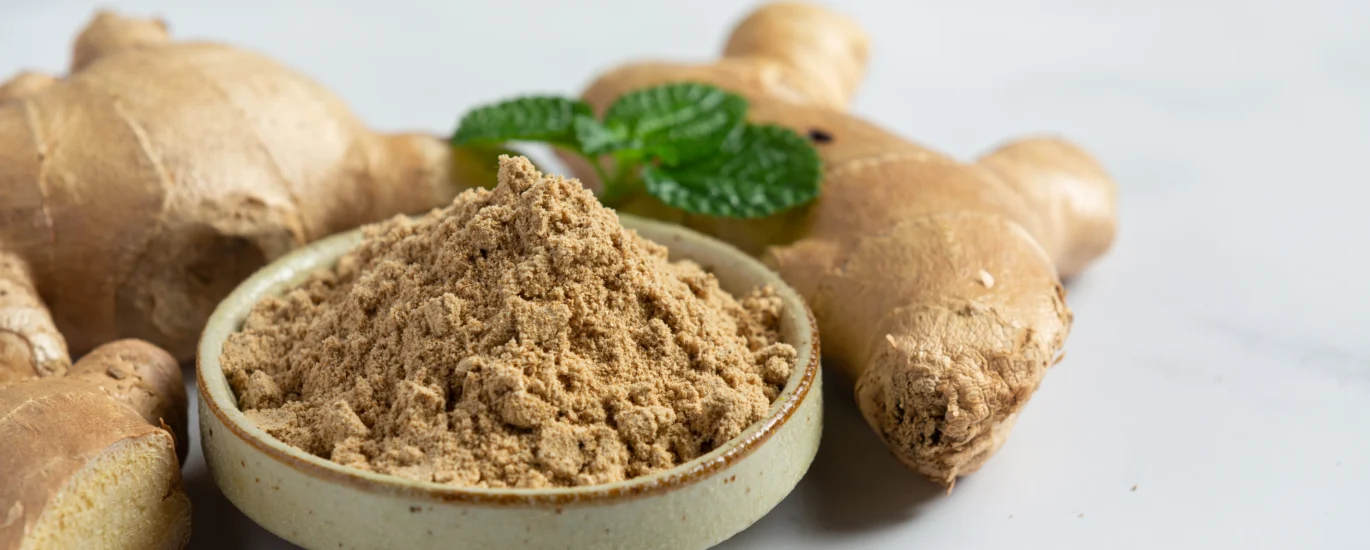
Walk into any health food store, and you’ll see it: a tan, powdery root from Peru called maca.
It promises more energy, better sex drive, balanced hormones, and even mood stability. But does it actually work? Or is it just another overhyped supplement?
Here’s the truth: maca isn’t magic. But for the right person, at the right dose, it’s one of the most interesting adaptogens on the planet.
This guide gives you the real, no-BS breakdown of maca root – benefits backed by humans (not just rats), proper dosing, and honest side effects you rarely hear about.
Maca (Lepidium meyenii) is a cruciferous vegetable native to the high Andes of Peru. It’s related to broccoli, kale, and cauliflower.
People have used it for over 2,000 years – not as medicine, but as food. Traditional Peruvians ate it for:
Today, you’ll find maca in three main colors, each slightly different:
| Maca Color | Traditional Use | Modern Popularity |
| Yellow maca | Everyday energy, general wellness | Most common, mildest taste |
| Red maca | Prostate health, bone health | Less common, more research for males |
| Black maca | Libido, memory, stamina | Most studied for sexual health |
Most supplements use a blend. Black maca is generally considered strongest for libido and athletic performance.
Here’s what maca does not do: it does NOT contain hormones.
That’s important because many people assume it works like estrogen or testosterone. It doesn’t.
Instead, maca is an adaptogen – it helps your body handle stress by balancing your own hormone production. Think of it as a regulator, not a replacement.
Research suggests maca influences the hypothalamus-pituitary-adrenal (HPA) axis, which controls:
That’s why maca helps different people in different ways. It’s not one-size-fits-all.
This is what maca is famous for, and the research actually supports it.
A 2010 review of four randomized controlled trials found that maca significantly improved sexual desire in both men and women – regardless of anxiety or depression levels.
Real-talk verdict: Works for libido. Not a miracle, but noticeable for many.
Feeling flat, tired, or mildly anxious? Maca might help.
A 12-week study in 45 postmenopausal women found that 3.5g of maca daily reduced:
Another study in cyclists showed improved time-trial performance after 14 days of maca. Effect size small but real.
Real-talk verdict: Mild but real mood lift. Not a substitute for sleep or therapy.
Maca’s effect on male fertility is surprisingly well studied.
A small 2001 study of 9 men showed that 4 months of maca increased:
Separate animal studies (and human anecdotal reports) suggest maca may also improve erectile function – likely through psychological and blood-flow mechanisms, not direct testosterone increase.
Real-talk verdict: Promising for male reproductive health. More human studies needed.
Animal research (ovariectomized rats – a model for menopause) shows that red maca prevents bone density loss. Human data is limited, but promising.
For postmenopausal women worried about osteoporosis, red maca may eventually prove useful.
Real-talk verdict: Interesting but not yet proven in humans.
Several small studies show maca improves endurance during cycling and running. Effect is mild, but better than placebo.
Real-talk verdict: Helpful, not a performance-enhancing drug.
Maca is generally safe. But “natural” doesn’t mean zero side effects.
| Side Effect | How Common | What to Do |
| Digestive upset | Mildly common (first 3–7 days) | Start with 500mg and increase slowly |
| Headache | Uncommon | Reduce dose or stop |
| Insomnia (if taken late) | Rare but real | Take only in the morning |
| Hormonal changes | Rare (spotting, mood swings) | Stop if symptoms appear |
| Jitteriness | Rare (similar to mild caffeine) | Lower dose |
Do not take maca if:
| Goal | Recommended Daily Dose | Duration to See Effects |
| General energy | 1.5 – 3g | 1–2 weeks |
| Libido (men) | 2 – 3g | 4–8 weeks |
| Libido (women) | 3 – 3.5g | 8–12 weeks |
| Mood & menopause | 3 – 5g | 6–12 weeks |
Important: Start low (1g or one capsule) for 1 week, then increase.
| Type | Pros | Cons |
| Raw maca | Cheaper, more available | Harder to digest, contains goitrogens |
| Gelatinized (cooked) | Easier on stomach, more concentrated | Slightly more expensive |
Verdict: Buy gelatinized. Your stomach will thank you.
Morning, with food. Never at night – some people experience energy spikes that interfere with sleep.
| Adaptogen | Best For | Onset Time |
| Maca | Libido, energy, mood | 2–8 weeks |
| Ashwagandha | Stress, cortisol, sleep | 4–12 weeks |
| Rhodiola | Acute stress, mental fatigue | 1–3 weeks |
| Tongkat Ali | Testosterone, male fertility | 4–8 weeks |
You can stack maca with ashwagandha safely. Start with one at a time to see how you react.
Most studies show noticeable effects between 4–8 weeks. Some people feel it in 2 weeks. It’s not a light switch – it’s a slow build.
Yes. Traditional use spans months to years. Take a 2-week break every 3 months to reset tolerance.
No. Human studies consistently show maca does NOT raise testosterone levels. It works via other pathways.
Unlikely. Maca has about 4 calories per gram and no known fat-storage effects. Some people even report better body composition from improved energy and exercise recovery.
Generally not recommended unless advised by a doctor. Hormone pathways are still developing.
Look for organic, gelatinized, third-party tested. Brands like The Maca Team, Sun Potion, and Terrasoul are reputable. Avoid cheap powders on Amazon with no testing.
Maca root is not a miracle pill. It won’t fix a broken relationship, cure depression, or replace real medical treatment.
But for healthy adults looking for:
…maca is one of the safest, most evidence-backed adaptogens you can try.
Start low. Go slow. Take it in the morning. And give it 8 weeks before you judge.
If nothing happens? You’re out $15–20. If it works? You just found a simple tool that’s worked for 2,000 years.